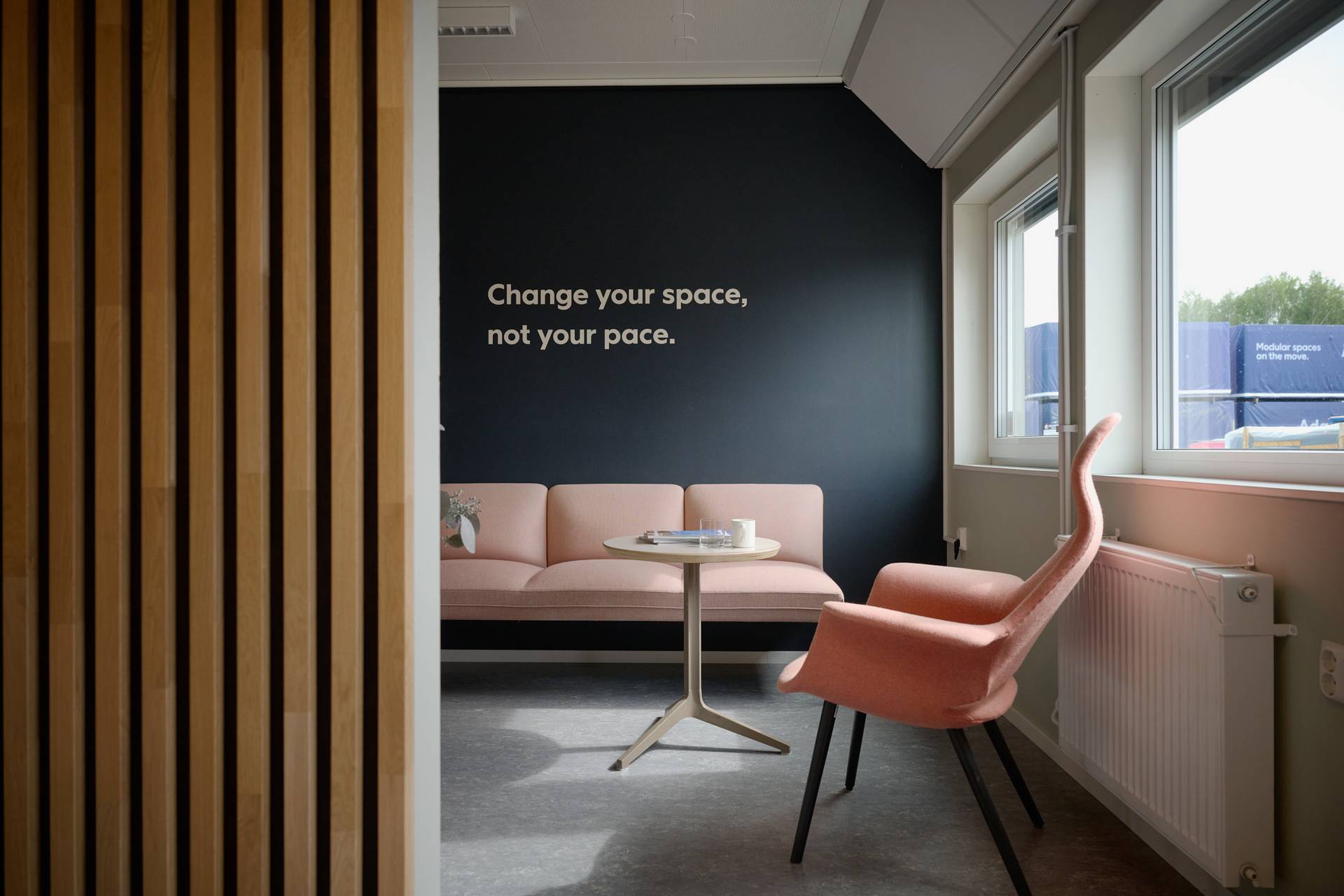

Modular building used for flexible space needs

Smart economics for changing space needs

Most projects start with a need, not a building. Maybe you need more classrooms, renovation space, or room to grow while plans are still developing.

Adapteo helps you weigh what matters most: speed, flexibility, running costs and how long you want to commit. That makes it easier to choose a model that fits now, and can still make sense later.

Modular building supporting changing space needs

Start with the need

You don't always know what the next few years will look like. Student numbers shift. Projects grow. Renovations take longer than expected. Teams need space before every long-term answer is clear.

That's where modular buildings make sense. You get high-quality space when you need it, with the freedom to adapt if the need changes.

modular-building-financial-flexibility-adapteo

The TCO formula: how we calculate value

Total cost of ownership, or TCO, helps you see what a building costs over the time you actually use it.

A simplified formula is:

TCO = construction or rental cost + operating costs + maintenance + end-of-life cost - residual value

But the formula only tells part of the story. The real question is whether the space keeps working as your needs change. With Adapteo, you can add, reduce, move or return space – and in some cases, buy it later if the need becomes long-term. That way, the cost can stay more closely aligned with what you actually need.
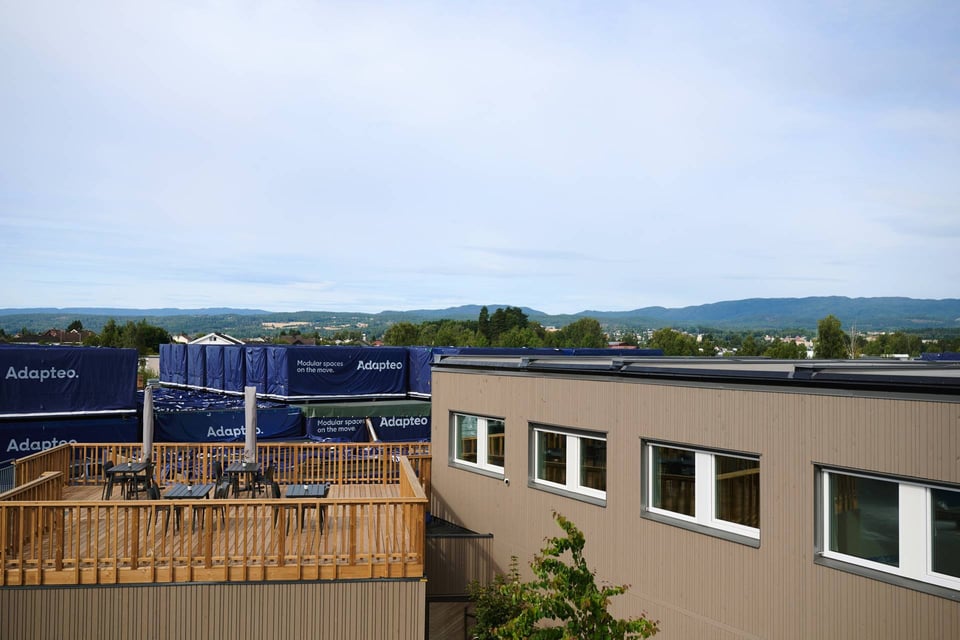
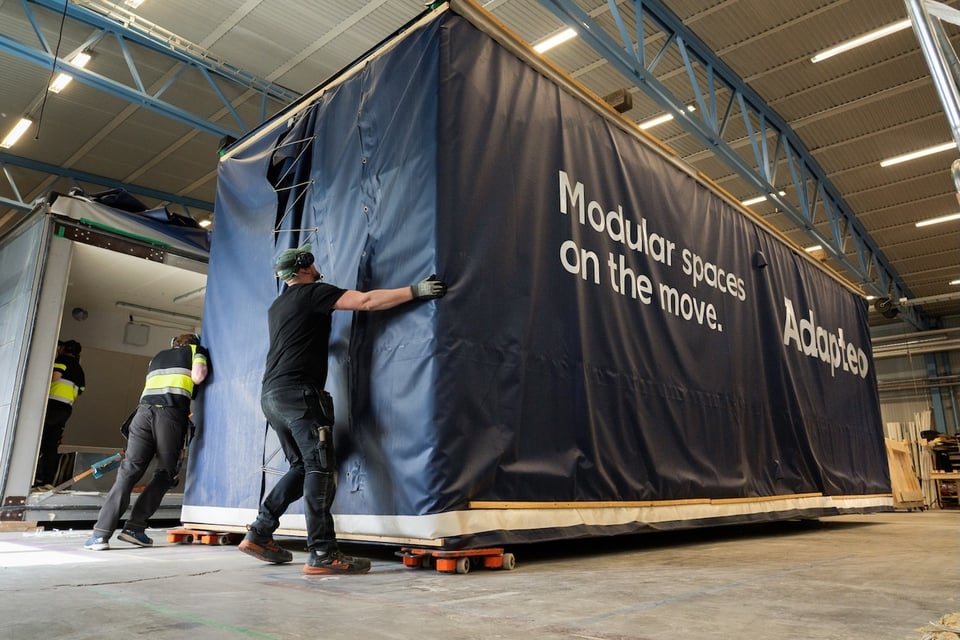
Modular building delivered for faster project use

What we look at:

  • How long you need the space

  • How fast it needs to be ready

  • What could change over time

  • What support is included

  • Whether renting, buying or combining both makes sense

fast-delivery-modular-fleet-adapteo

Speed is money, time-to-value

When you need space by a certain date, timing is everything. Modular buildings can shorten the route from decision to use. While the site is prepared, the building can take shape off-site. Once the modules arrive, installation can move quickly and with less disruption. That means your space can start supporting teaching, care, work or accommodation sooner.

With one of Europe's largest modular fleets, Adapteo is built to respond when timing is important.

What faster delivery helps you do

Parallel work

While the site is prepared, the building can take shape off-site.

There when you need it

Space can start supporting people earlier.

Less time on site

Faster installation can reduce disruption around the project.

Investment models: CAPEX vs. OPEX

The way you pay for space matters – especially when the future is uncertain.

Buying or building is usually CAPEX: A larger upfront investment and long-term responsibility for the asset.

Renting modular space is usually OPEX. You pay for the space while you use it, and the building remains part of Adapteo's fleet.

Want to understand the rental model in more detail? Explore the Space as a Service benefits.

CAPEX: buy or build

  • Higher upfront investment
  • Long-term ownership responsibility
  • Can make sense for stable needs
  • Less flexibility if needs change

OPEX: rent

  • Cost follows the period of use
  • Building remains part of Adapteo's fleet
  • Useful when timing or demand may change
  • Space can scale, move or return
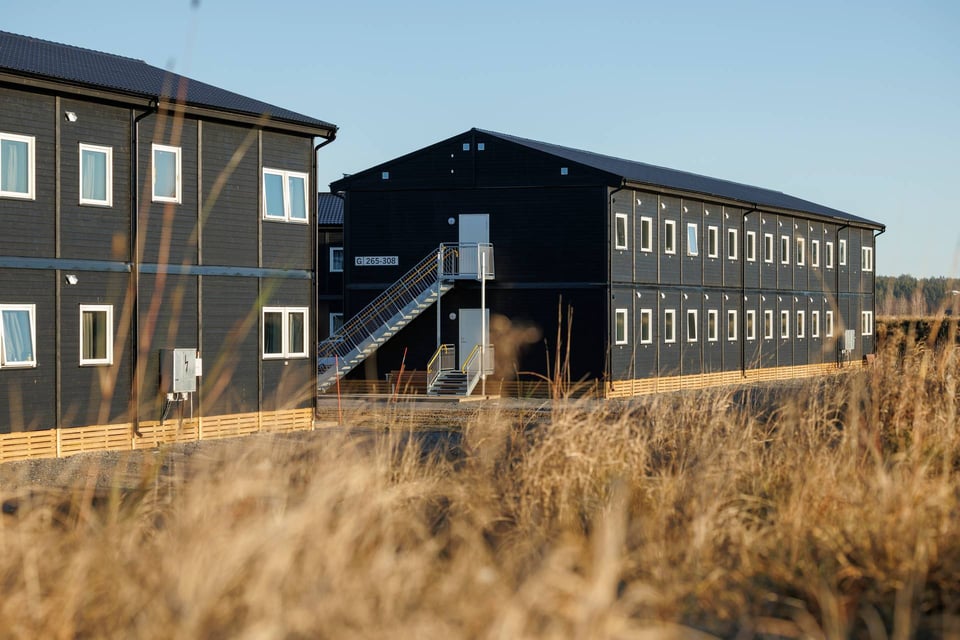
Energy-efficient modular building exterior in use

Operational savings

A building keeps costing money after the doors open. Energy use, service, inspections and repairs all matter over time. Adapteo's modular buildings are produced off-site, with technical systems prepared before delivery. That supports reliable performance from day one.

We also handle maintenance, inspections and technical follow-up. That keeps everyday operation simpler and helps costs stay more predictable. Good spaces support people too, from comfort and daily routines to energy use and carbon impact.

Flexible modular building with adjustable capacity

The hidden cost of inflexibility

A building can be the right size today and the wrong size in five years. Needs change. Student numbers shift. Care models evolve. Projects grow, move, or end.

With a permanent building, that can mean unused space, expensive renovations, or an asset in the wrong location. Modular buildings reduce that risk. Space can expanded, reduced, moved or returned as needs develop. That flexibility has real financial value.

Reusable modular building as a financial asset

Sustainability as a financial asset

Sustainability is becoming part of financial decision-making. Public authorities and regulated industries are looking beyond the initial cost of new space, considering lifecycle carbon, resource efficiency and reporting requirements as part of procurement.

Modular buildings can support that shift because they are designed for repeated use. Lifecycle assessments show that reused Adapteo modules can have up to 96% lower carbon footprint compared with a new permanent building. That can help organisations reduce building-related emissions and support climate reporting.

FAQ – Costs & ROI

Quick answers about modular construction costs, renting, TCO and long-term value.

What cost factors should I consider when planning a modular building project?

The cost of a modular building project depends on several factors, including the size of the space, rental period, level of customisation, location, installation needs, transport, groundwork, utilities, and any required permits or services.

Modular buildings can help make planning more predictable because many parts of the solution are prepared in advance. The best way to understand the full cost is to define your space requirements, timeline, and intended use early in the process.

Do modular buildings keep their value?

Modular buildings are designed for reuse. When rented buildings return to Adapteo's fleet, they can be refurbished, upgraded and used again in new projects.

What happens if space needs change?

Modular buildings can expand, reduce, relocate or return to the fleet as requirements change. This helps you avoid being locked into space that no longer fits.

What affects the cost of a modular building?

Costs depend on size, layout, rental period, location, installation needs, and any custom requirements. We'll help you find a solution that fits your needs and budget.

Adapteo team supporting modular building planning

Compare your options

Every project is different. Adapteo's experts can help you compare renting, buying and longer-term options, so you can choose the model that fits your need.